
Causses du Lot — since 1880
Our terroir
Limestone plateau and red clay in Cournou, alluvial terraces in Douelle since 2021.
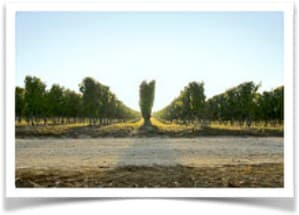
The terroir of the Lot causses is, to us, one of the great wine secrets of South-West France. Less famous than nearby Bordeaux or the Lot terraces close to the river, the causse is a high limestone plateau where vines plunge their roots into a mineral, dry mother rock. It's a place for wines of character — deep, salivating, with that mineral edge you can't fake in the cellar.
Two soil profiles at the estate
Clos de Pougette covers two main soil types, present in varying proportions across the plots:
| Criterion | Stony limestone | Red clay |
|---|---|---|
| Location | Causses, plateau | More on slopes, lower hill |
| Depth | Shallow | Deeper |
| Drainage | Excellent | Medium to good |
| Active limestone | High | Low to none |
| Water reserve | Low | More generous |
| Effect on wine | Tension, minerality, freshness | Volume, fruit, roundness |
It's the alternation between these two profiles that gives Clos de Pougette blends their balance — taut freshness on one side, fleshier matter on the other.
The causse: demanding, rewarding
On the limestone plateau, the vine lives in a fragile equilibrium: little water, little nourishment, a lot of stone. This constraint produces small thick-skinned berries very concentrated in phenolic compounds — which is what gives these deep, dense Cahors with their mineral signature. Harvest comes later on the causse because ripening runs slower.
Red clay: matter and generosity
On the red clay soils, deeper, the vine has a more comfortable water reserve. Ripeness arrives faster, yields are slightly higher, and the wine gains volume, fat, roundness. This profile brings the flesh of our blended cuvées.
South-facing exposure, varied altitudes
Our plots face mostly south, at 200 to 280 metres altitude. This exposure ensures the sunlight Malbec needs for full ripeness, and avoids cooler exposures (north, east) that would give less ripe wines from this particular grape.
The Douelle terraces (since 2021)
Since 2021, the estate has incorporated 5 additional hectares in the commune of Douelle, planted on the first and second terraces of the Lot valley. These soils, deposited by the river over millennia, offer a very different profile from the causse:
- Alluvial soil, sandier, better-draining
- Rolled pebbles at the surface, releasing heat at night
- Moderate water reserve
- A more immediate, fruit-driven, accessible wine style
These plots complete and enrich our palette. They are farmed organically like the rest of the estate.
Pruning, hand-picking, respect for the row
Beyond the soil, terroir is also the product of gestures repeated season after season: guyot or cordon pruning depending on the plot, manual de-budding, regular trellising, hand-picking, careful selection in the cellar. Terroir only reveals itself if you trust it — and don't mask what it has to say with cellar tricks.